RahrBSG Blog
Falling In Love Is Easy: Rediscovering Classic Beers From Belgium
Posted March 26, 2024 in Brewing
Consumer preferences are notoriously unpredictable. You never know for sure if the latest beer fad will go bust after a single batch or become your brewery’s next flagship.
Fortunately, RahrBSG Technical Support and Training Manager Ashton Lewis knows a thing or two about navigating uncertainty. “In a sea of Hazy IPAs and Cocoa Pebbles Porters,” he says, “traditional Belgian ales are whacky enough to excite the consumer tastebud.”
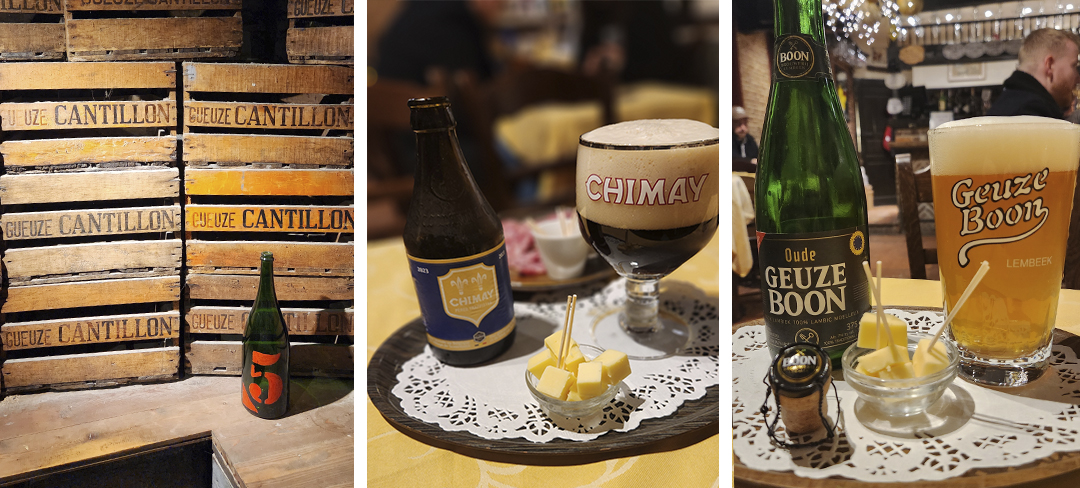
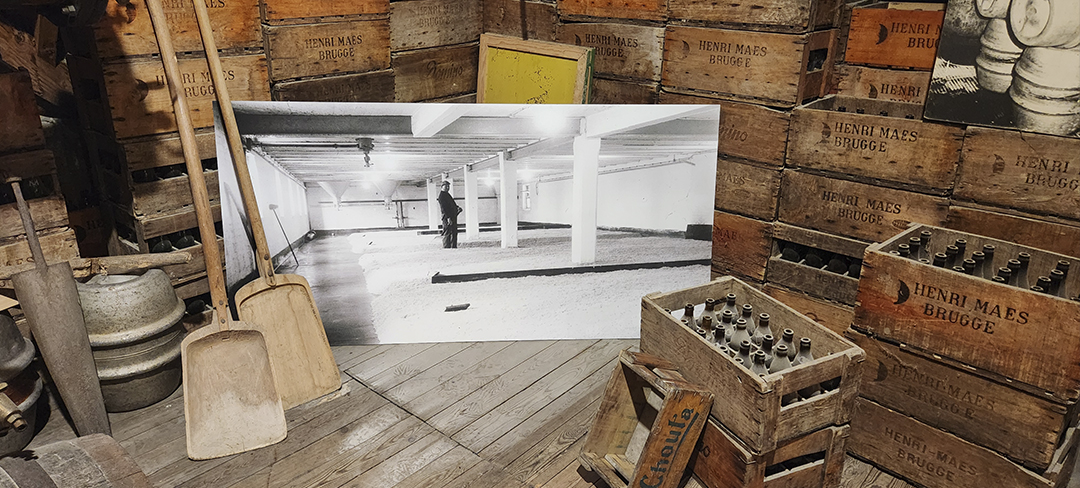
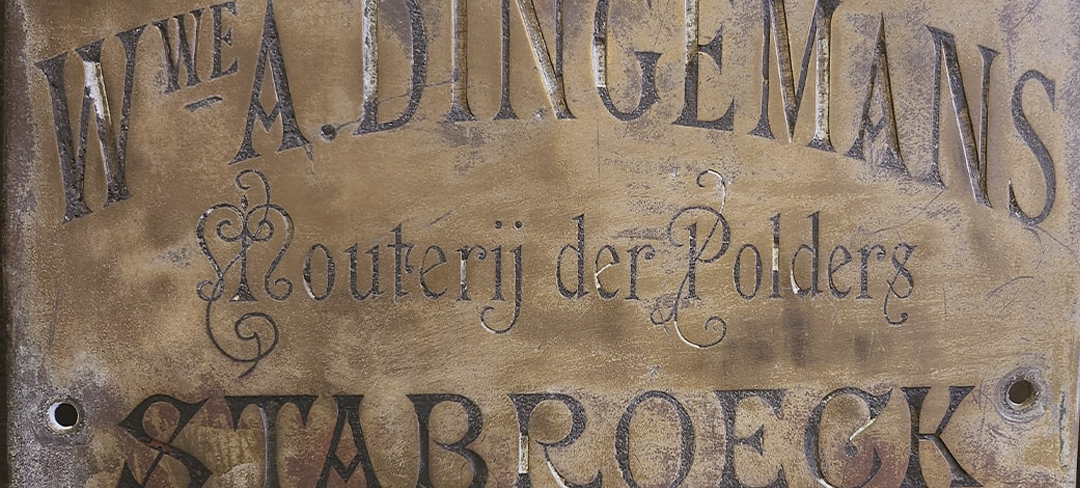
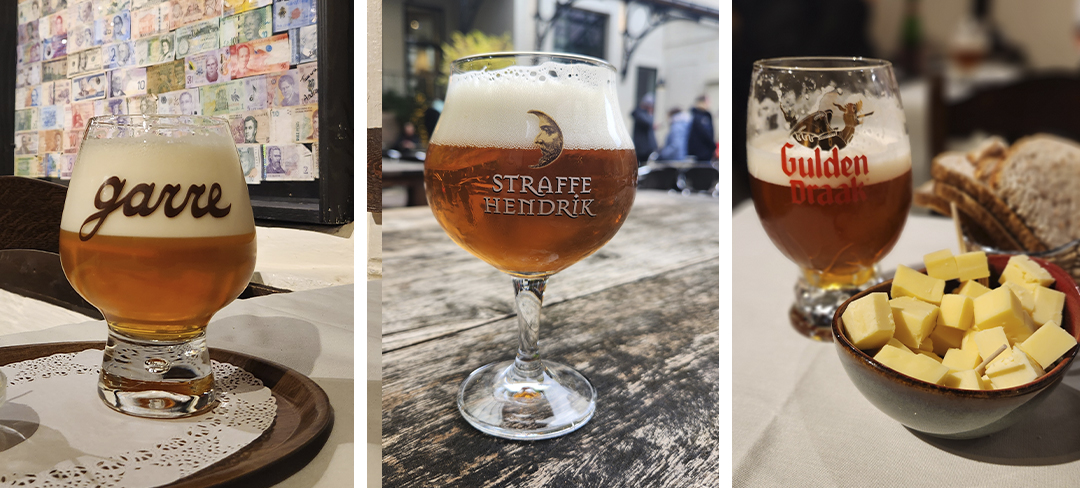
Fresh off a trip to Belgium that included stops at De Halve Maan, St. Bernardus, Kasteel, and Cantillon, Ashton fell in love all over again with Abbey aromas and Farmhouse flavors. He’s willing to bet your customers will too.
“The craft industry went crazy for sours,” he reminds us. That’s no secret. “But so many other great time-tested styles out of Belgium have been overlooked.”
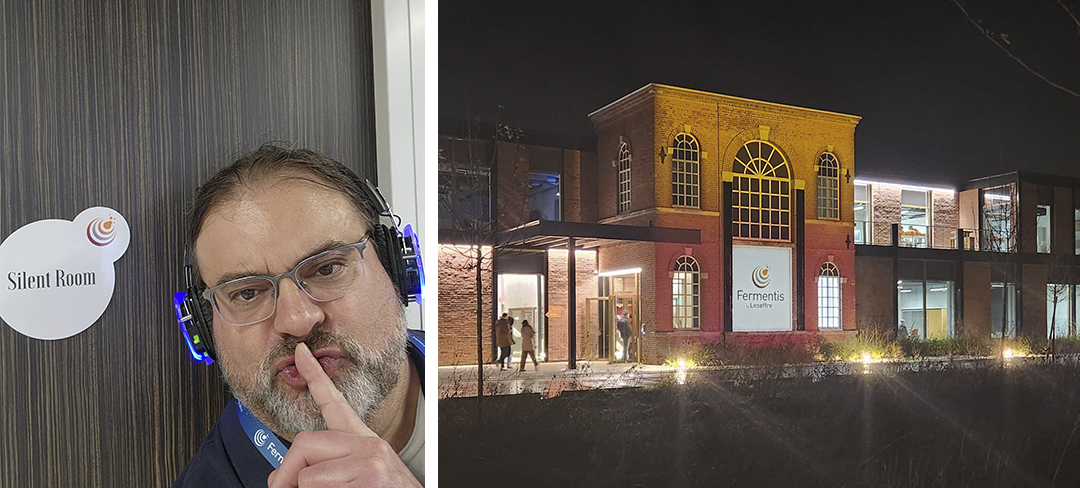
It doesn’t have to be this way, of course. If you’re cranking out traditional lagers and curious about complementing them with a funky Belgian brew or two, crack open a cold one and keep scrolling. We’ve got all the Dingemans Malt and Fermentis yeast you need to go to town on Witbiers, Trappist-inspired beers, and more.
Belgian-Style Witbier
The Malt Geniuses at Mouterij Dingemans have put together a fine recipe for the Belgian-Style Witbier, featuring 50 percent Dingemans Pilsen Malt and 50 percent Dingemans Wheat Malt. Should you choose to move forward with this unbeatable brew, you’ll encounter a crisp, tart, and zesty number that’s been refreshing thirsty crowds for over 450 years.
Starting with a pleasant, malty-sweet grain foundation, the Belgian-Style Witbier is lightly hopped for a complex herbal, floral, and spicy profile. Pale straw in color, it offers up a medium body, noticeable haze, and unforgettable foam. The star of the show, however, is yeast, and Fermentis SafAle™ BW-20 is the one you’re after.
Ideal for Belgian-Style Whites, BW-20 provides fruity flavors and phenolic notes ranging from clove to pepper. Mild but aromatic, it serves as a reliable backdrop for additional traditional spices such as Coriander, Curacao, Sweet orange peel, Chamomile, Cumin, Cinnamon, or Grains of Paradise.
Belgian-Style Tripel/Belgian Golden Strong Ale
Considered by some to be the pinnacle of Belgian brewing, the Belgian Tripel (or Triple) was first brewed in 1934 at the Trappist monastery at Westmalle. The style is characterized by its deep golden color, full malty mouthfeel, and balanced aromas of fruit and spice. Ranging in ABV from 7.5-9.5%, it is often described as sneaky-strong.
Disclaimer: Unless you’re logging on using monestary WiFi right now, it is unlikely you will be able to market your beer as an Authentic Trappist Product. [For more on what that’s all about, take a side-quest to our Trappist blog.] Fortunately, the Belgian Golden Strong Ale is a close cousin to the Tripel style and for these purposes it will serve as a non-Trappist equivalent.
Our friends at Mouterij Dingemans have once again crafted a fantastic recipe for brewing your own Belgian-Style Tripel (or Golden Strong Ale). It starts with 70 percent Dingemans Pilsen, 20 percent Dingemans Wheat, and 10 percent Dingemans Pale Ale. A spicy and floral hop character is preferred. You may also add Candi syrup or Crystal sugar to boost the beer’s gravity.
Fermentis SafAle™ BE-256 is our go-to recommendation for fermenting Strong Ales such as these. Known for producing fruity esters and high alcohol content, BE-256 works fast and reveals strong fermentation aromas.
“I enjoyed Belgian Golden Strong Ales (à la Duvel) at numerous breweries,” Ashton says of his drinking excursion. “I did not know how common the style is in Belgium. Most U.S. versions I’ve had are too sweet and boozy. Breweries back home may find success packaging this style in a stovepipe with a creative name.”