
RahrBSG Blog
Rye for American Whiskies
Posted June 15, 2016 in Distilling
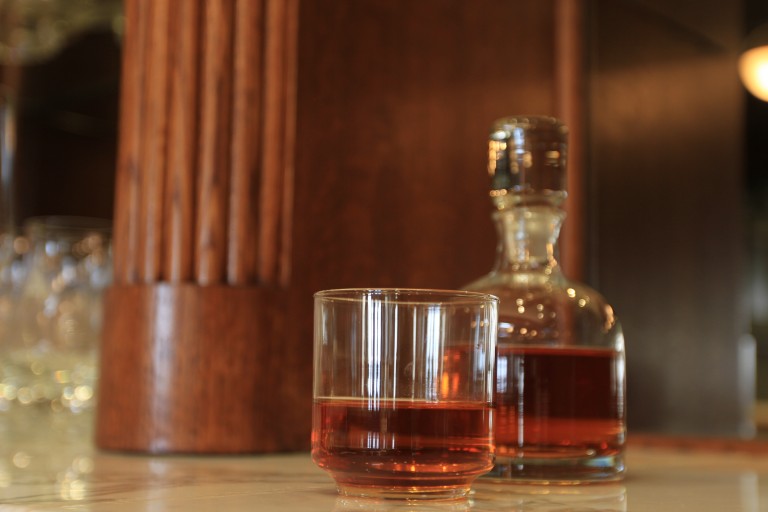
Rye whiskey has deep roots in the United States, with a history that dates back to the colonial days. A combination of changing tastes and Prohibition almost killed it off, but it’s enjoying a bit of a renaissance as more new distillers and craft spirit enthusiasts rediscover its charms. Here’s a quick primer on different styles of whiskey that use rye and which grains and malts are available to distillers:
Rye whiskies can be found as a traditional straight rye (at least 51% rye in the mashbill), a recreation of the extinct rye whiskies of Maryland and Pennsylvania, or a modern craft whiskey. 100% rye whiskeys are dense, leggy and oily drams redolent of spice and vegetation with underpinnings of almond and confection – “the Islay whiskys of America.” Like aggressively smoky single malts, these are challenging but rewarding sippers that showcase the powerful aromatics and texture of the grain; they’re also great in a well-made cocktail.
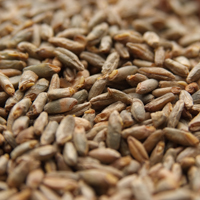
Rye is also an important component of bourbon whiskey. As a flavoring grain in a bourbon mashbill, rye masks some of the candy-corn, caramel sweetness of the corn fraction and brings in spicy, floral, and minty notes. Less sweet than corn and not nearly as mild as wheat, it adds to the perception of dryness as well as complexity to the flavor and nose. At a proportion of 10% or less, its effect will be subtle; more pronounced at 15-20%, and stand out in a very high-rye (30% or so) bourbon formulation.
Chemical analyses have shown that a rye and bourbon produced at the same distillery will be more alike than they are to a spirit with an equivalent mashbill produced at a different distillery. So while rye will have an impact on flavor, provenance and process are still key to the sensory fingerprint of your spirit.

RahrBSG Distilling offers a selection of rye grains and malts for your spirits:
- Crisp Rye Malt – An excellent choice for a100% rye mashbill, bringing strong and complex almond, spice cake, and floral notes.
- Grain Millers Flaked Rye – Unmalted rye is the backbone of any straight rye and the classic flavoring grain for a bourbon mashbill.
- OIO Rye Flakes – Mash ready rye flakes will lend a dry, crisp character and a strong rye flavor
- Weyermann® BIOLAND Rye Malt – An organically-grown rye malt from Germany’s leading maltster.
- Simpsons Crystal Rye – a nice addition to high-rye or all-rye formulations, this caramel malt made from rye adds sweet, nutty richness as well as excellent mouthfeel.